Scratch and coating loss
We check whether the mark is superficial or exposes the substrate. We select the surface preparation and touch-up system for the specific coating.
Let’s start with a proper assessment.
Scratch, dent, damaged coating? Show us the problem. We will check whether a spot repair is possible and agree the method, scope and terms of the work.
Panel Cure+ is a Panel Montage brand.
Method and price after assessing the specific case.
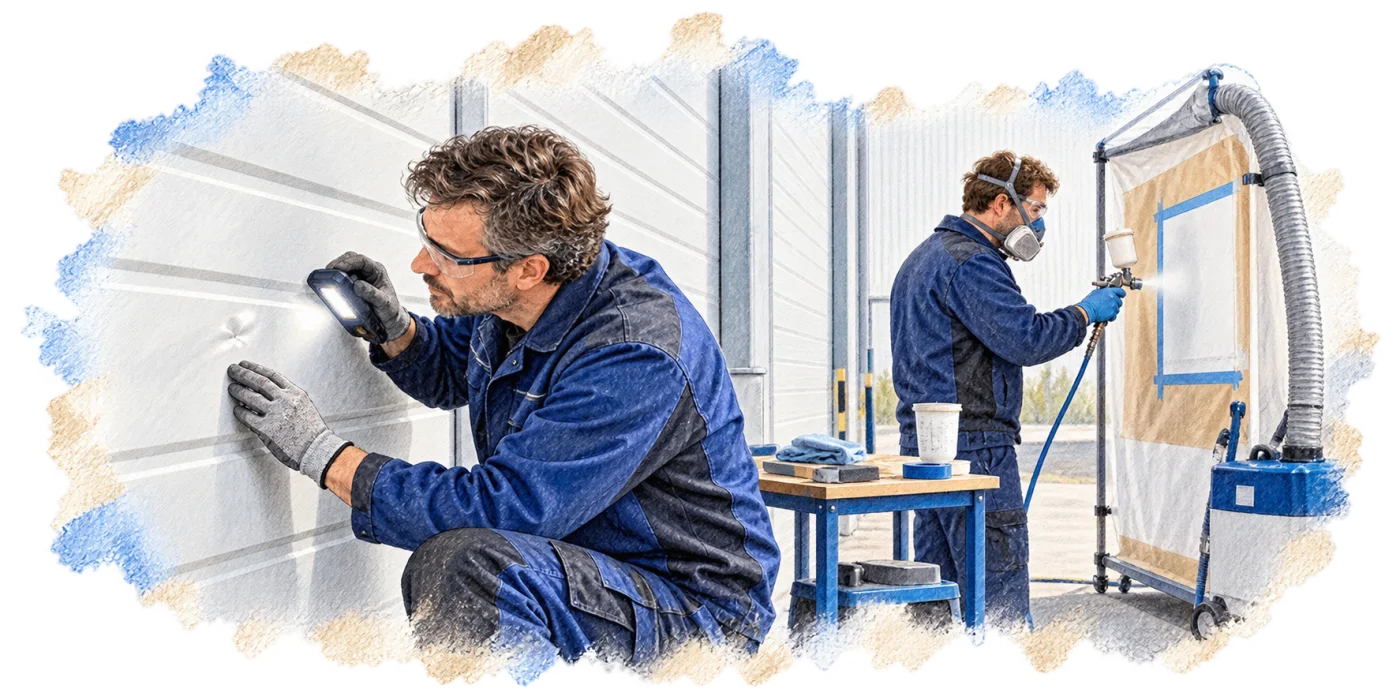
A mark from a tool, an impact on the facade, chipped paint? You don’t need to know how the repair is done. Choose what you see and show us the damage.
Take one photo close up and one from further away. If you can, add a scale, e.g. a ruler, and note whether bare steel is visible.
Go to the enquiry formThese are enquiry categories. The type of damage alone does not determine whether a spot repair is possible.
The RAL colour is only the starting point. The right method also depends on the coating type, the sheet profile, the depth of the damage and the condition of the core.
Show us your panel →We check whether the mark is superficial or exposes the substrate. We select the surface preparation and touch-up system for the specific coating.
We assess the deformation of the sheet, its profile and the area around the damage. We check whether the surface and the paint finish can be restored.
A crack, an exposed core, or a damaged panel joint or fixing requires a broader assessment. Before quoting, we establish whether a localised repair is enough or whether replacement is needed.
Not all damage qualifies for spot repair. The condition of the facing and the core, the location of the damage and the manufacturer’s requirements all matter. The repaired coating may differ in shade: we discuss the expected result before work starts.
We are developing our know-how in sandwich panel coating repairs on real samples and cases from construction sites. Dedicated training combines knowledge of installation with techniques for localised surface repair, colour matching and finishing.
On 24-25 October 2026, our team is taking part in training prepared for Panel Montage by Pro-Painter Academy at the NOVOL Training Centre in Komorniki. The exercises are led by Robert Grząślewicz.
The academy is run by its owner, Dr Tomasz Tomczyk. Together with him, we are preparing a programme addressing sandwich panel problems: from tests on coatings and damage analysis to establishing which cases are suitable for localised repair.
Discover Pro-Painter Academy and its team ↗We are developing our skills in assessing shade, gloss and blending. We want to match the finish to the existing surface, its age and the viewing conditions. The RAL number is a reference point; the result requires an assessment of the specific coating.
We practise substrate preparation, working on localised defects, restoring the profiling and applying coatings. Selecting fillers and the paint system requires compatibility with the substrate and defining the limits of each repair.
Knowing a technique also means recognising its limits. Coating damage, deformation of the facing and damage to the core each require a different assessment. Where there are doubts about the panel’s properties, input from the manufacturer or the designer is needed.
From tests to practice
In preparing the programme with Pro-Painter Academy, not only the appearance but also the adhesion of the new coating was tested. The tests showed that the inner and outer faces of a panel can react differently to the same preparation method. That is why we select the method for the specific surface.
After the preparation was changed, a better cross-cut adhesion test result was obtained on the samples tested. This is a valuable pointer for selecting the technology; the result of such a test is not a long-term durability test or confirmation of the performance of the whole panel.
First we assess the damage and select the filler, primer and finish. Layer thickness and mixing ratios depend on the specific product and the substrate. Filling a dent does not in itself establish the condition of the core or the panel joints.
Further training in colorimetry and material selection is intended to develop this precision: from identifying the coating to defining the result we can propose to the client.
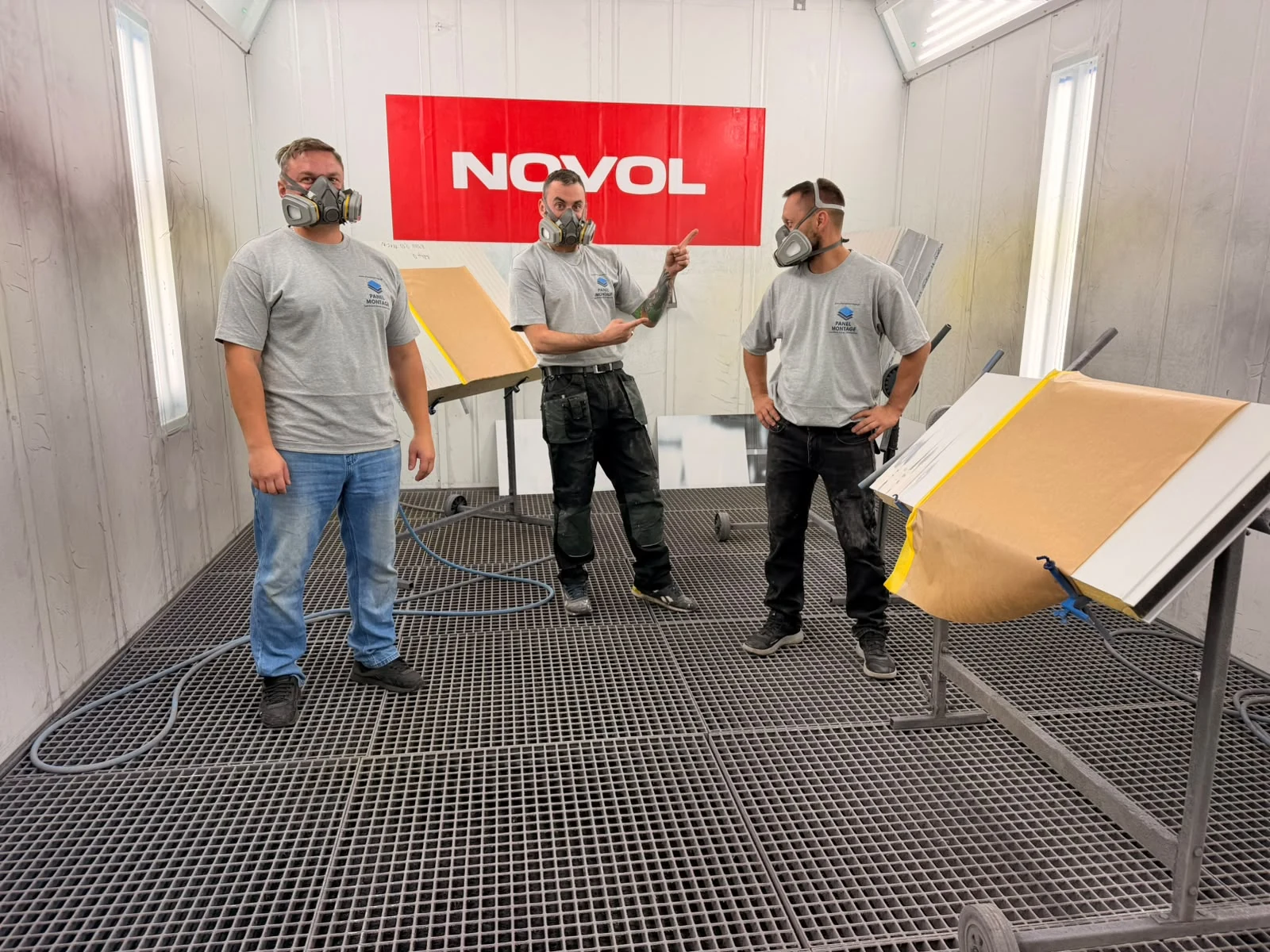
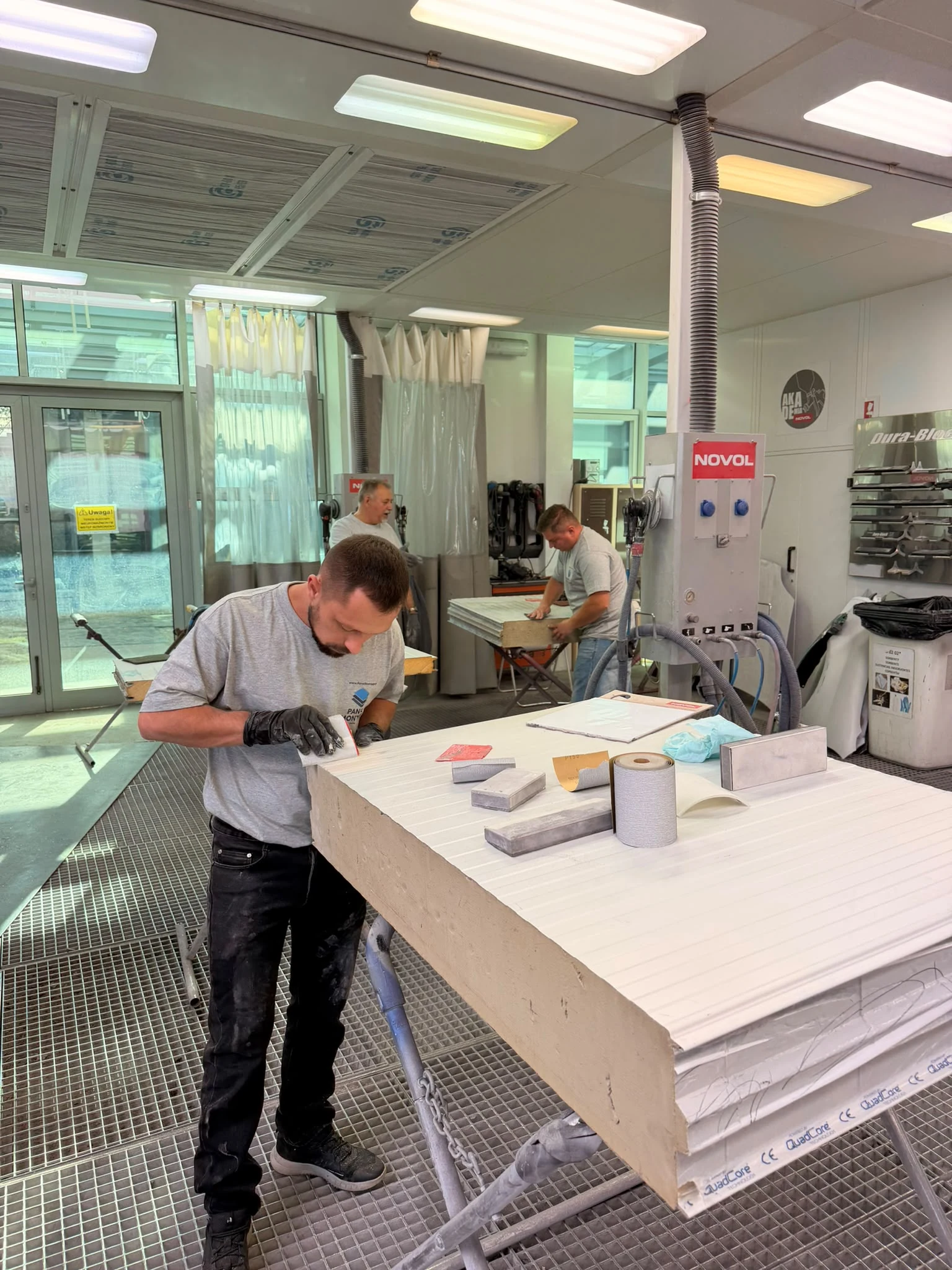
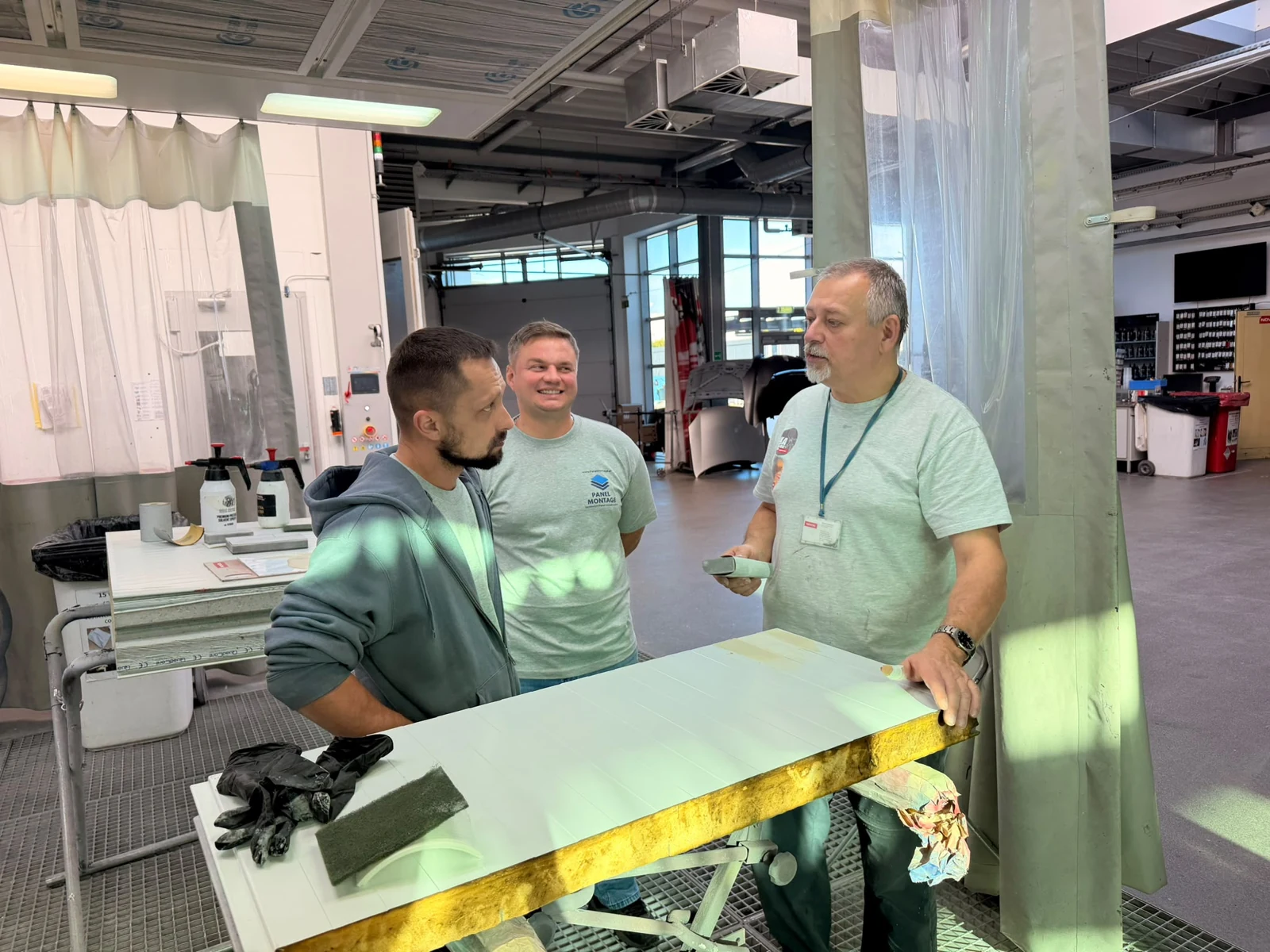
Photos from the training on 24.10.2026. They document the team’s exercises, not repairs carried out for clients.
Training exercise, the same panel, 24.10.2026.
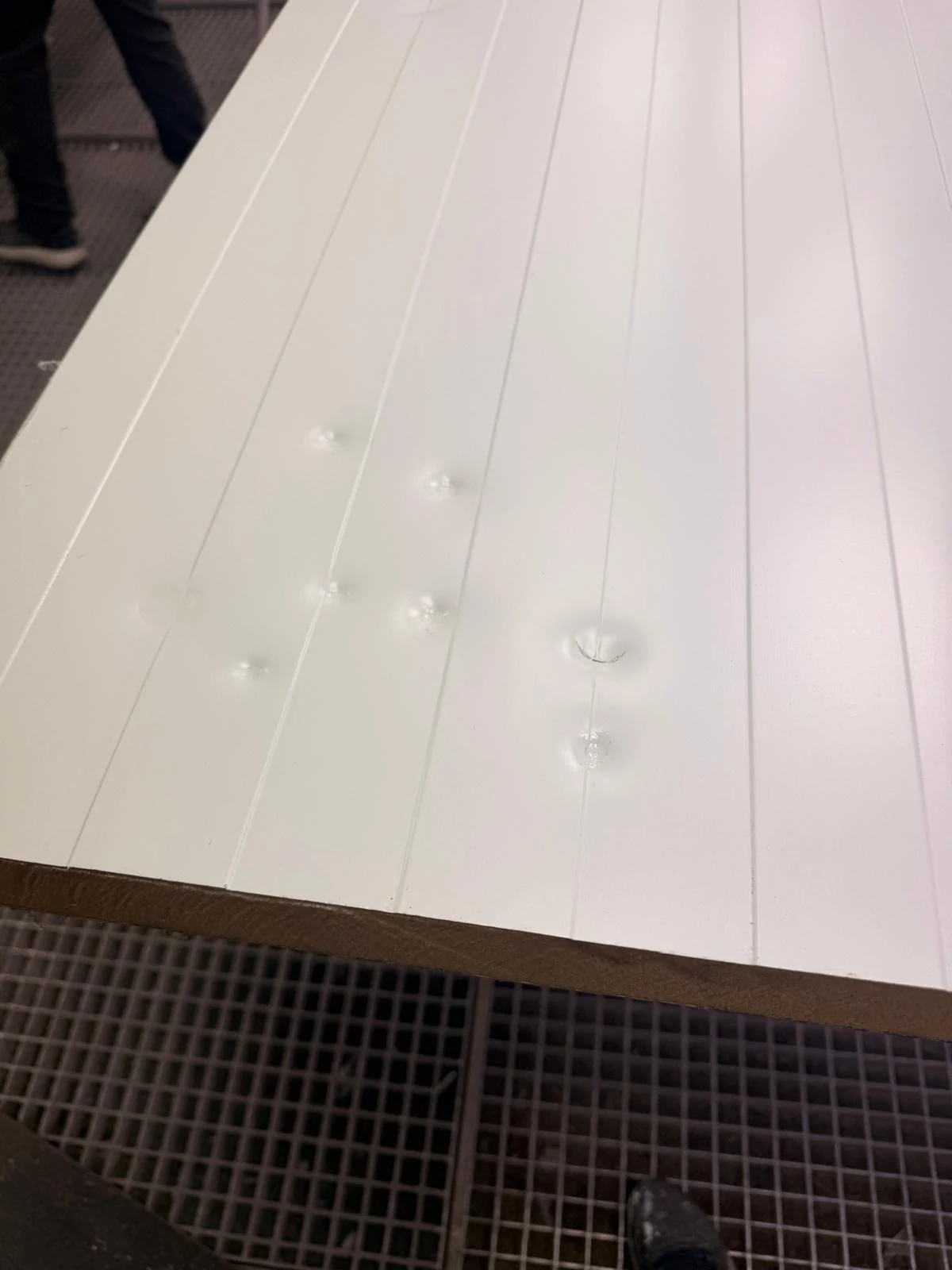
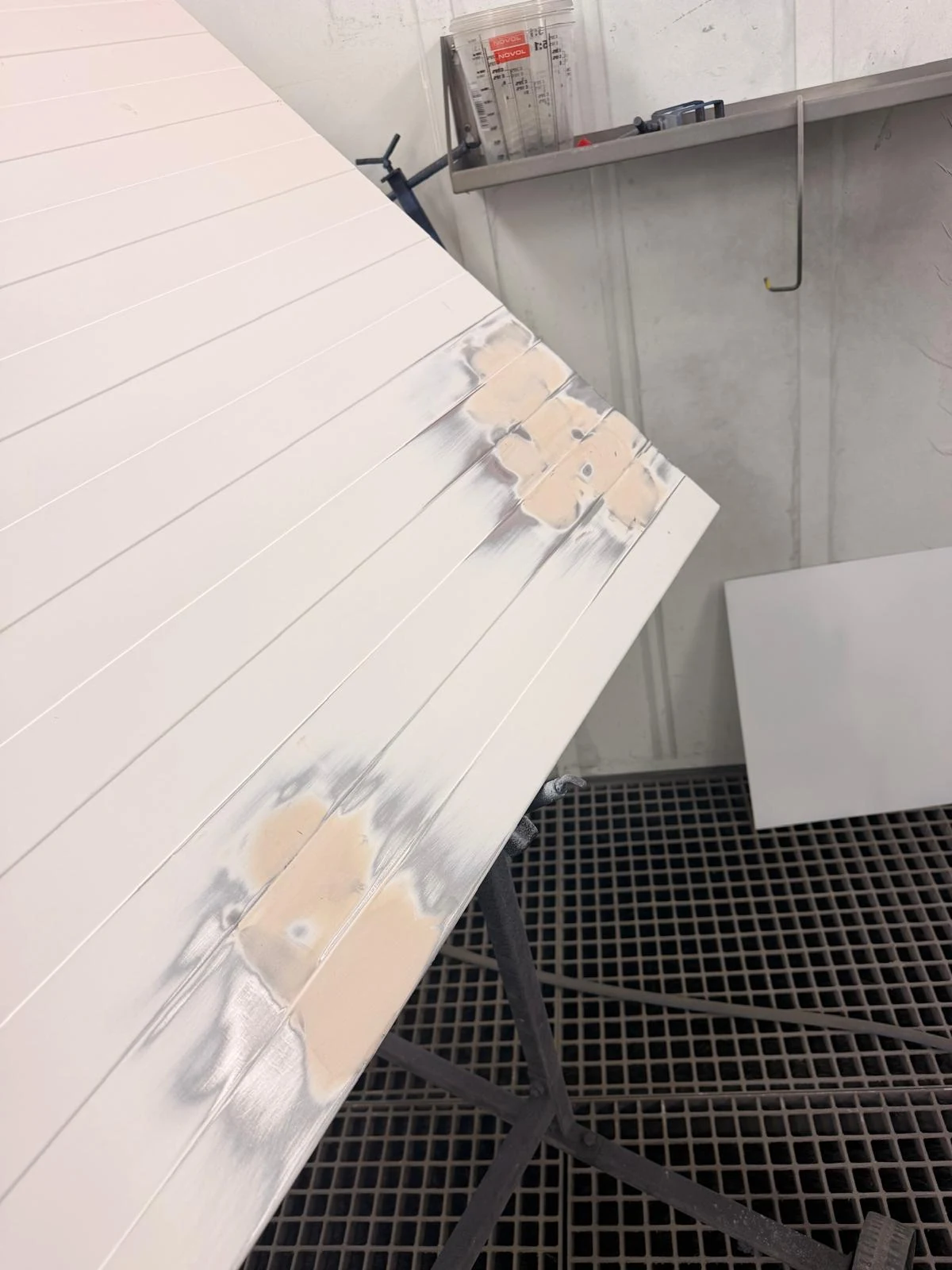
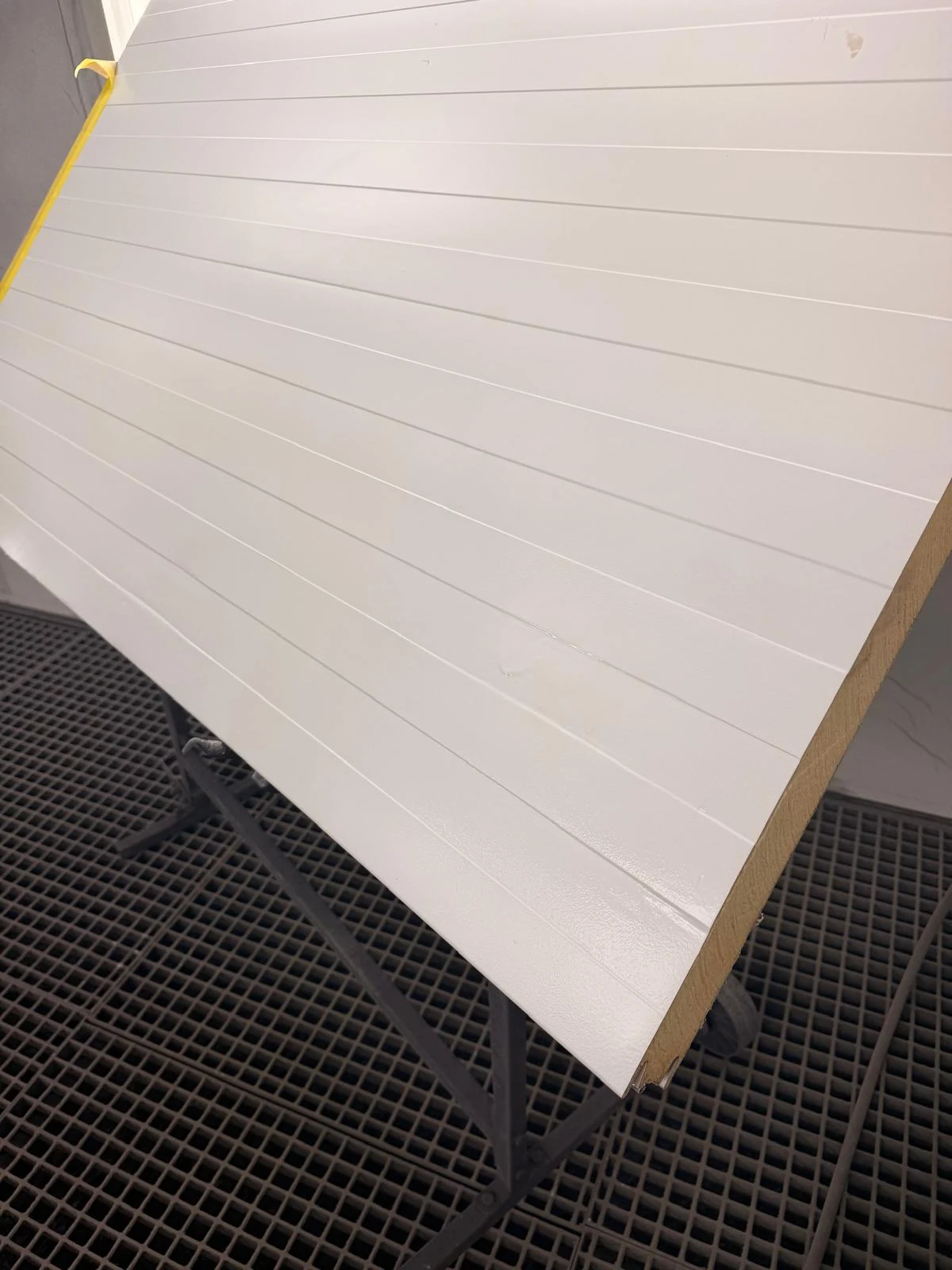
This documents a training exercise, not work carried out for a client. The visual result does not confirm the structural, thermal or fire performance of the panel. Click a photo to view the full image.
From the first photo to an agreed scope. No guessing the method and cost from a single shot.
Send photos, the location and the approximate number of damaged areas. We will tell you what we need for the assessment.
We analyse the photos and the panel data. If a site survey is needed, we agree the date and terms of the visit.
Before work starts, you know the proposed method, scope, price and timescale. We also agree access to the repair area.
Once you accept, we carry out the agreed scope. We sign off the work and document the result achieved.
Sandwich panel walls and roofs, flashings, cold stores and freezer rooms. We know a panel together with its joints and its place in the whole building envelope.
We work with main contractors, construction companies and developers. We install walls and roofs of industrial buildings, cold store and freezer room enclosures and partitions for technical rooms. We combine installation experience with organising crews on international projects.
Panel Montage Sp. z o.o. has been operating since 2025. The people behind the company were already gaining experience before it was founded, working on construction sites across Europe. We base our specialism on this experience.
We are developing Panel Cure+ as a service for localised panel surface repairs. The company’s installation background helps us take a broader view of the damage: to check its position relative to a fixing, panel joint, flashing or opening. A photo of a scratch alone is not always enough to decide on the solution.
Before work starts, we agree the scope, method, access to the repair area and the expected result. If the damage requires a broader assessment, we say so before quoting. We do not replace a technical assessment with a promise that every panel is suitable for spot repair.
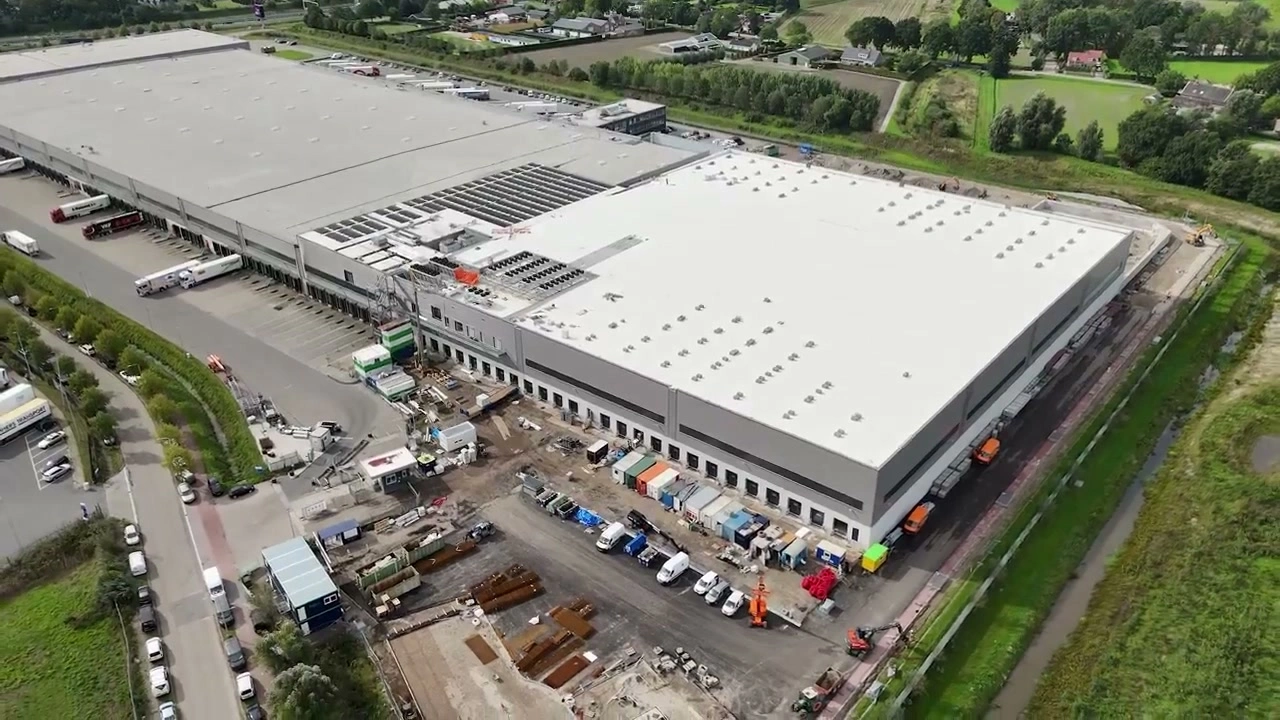
Panel Montage’s background helps us assess not only the mark on the coating but also its position relative to a joint, flashing or fixing.
Installing sandwich panels as the envelope of industrial buildings and warehouses. Working with panel layouts, fixings and joints.
Corners, base flashings, reveals and parapets. Elements that close the envelope and require precision on site.
Installing panel chambers and partitions. Also cleanrooms, and enclosures and partitions for data centre areas.
Facade cladding together with its substructure. We agree the scope, documentation and method of execution for each specific project.
From documentation to handover. We tailor supervision and reporting to the specific contract.
We check the country, documentation, installation scope and programme. We establish what information is needed for the quote.
We define the scope boundaries, access to the work front, materials, equipment and coordination rules.
We match the crew to the tasks and timescale. Before mobilisation, we confirm the working conditions and site requirements.
We install in line with the documentation and agreements. We document changes to the scope and agree them with our partner.
We agree the handover and the final account for the completed work. The documentation method follows the project conditions.
Photos from the Panel Montage project archive. Installation covers both large areas and details that must be joined correctly.
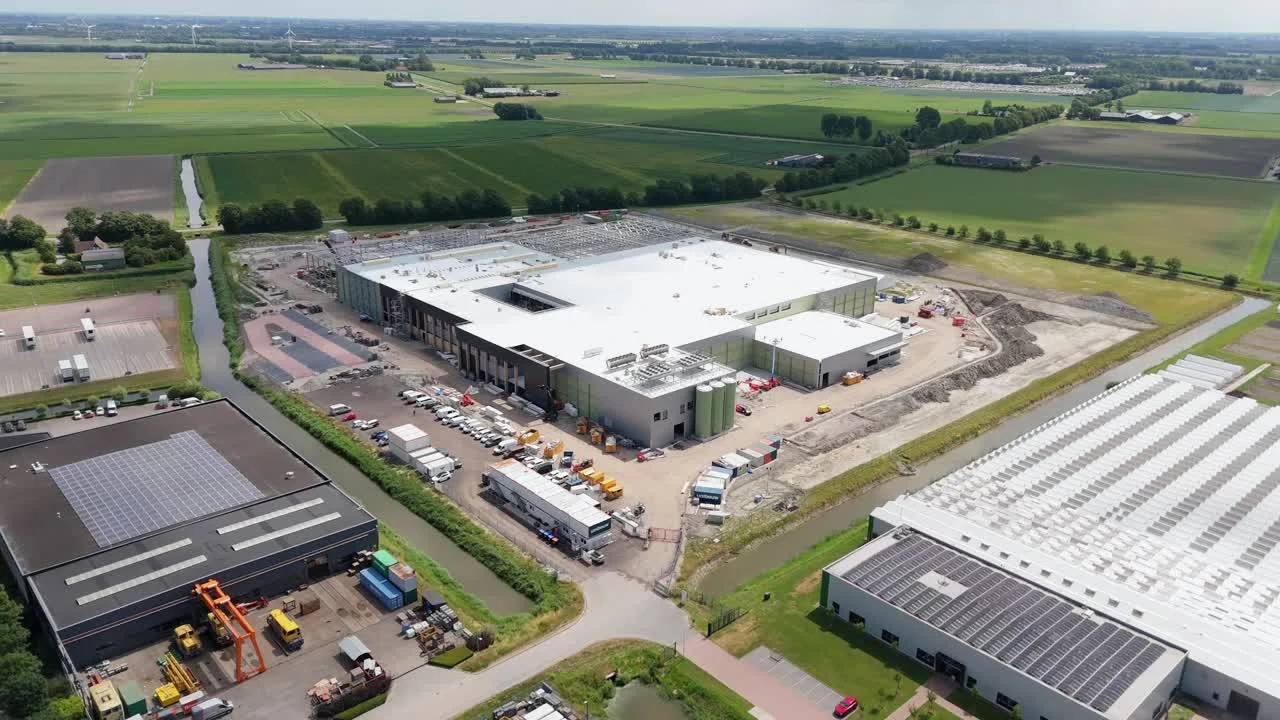
Give the town and country. We will confirm feasibility, travel and timing once we have checked the scope. The map shows Panel Montage’s geographical reach, not guaranteed repair availability.
Give the location of the damage →You don’t need to know all the technical data. Show what you can check safely. We will establish any missing information when we talk.
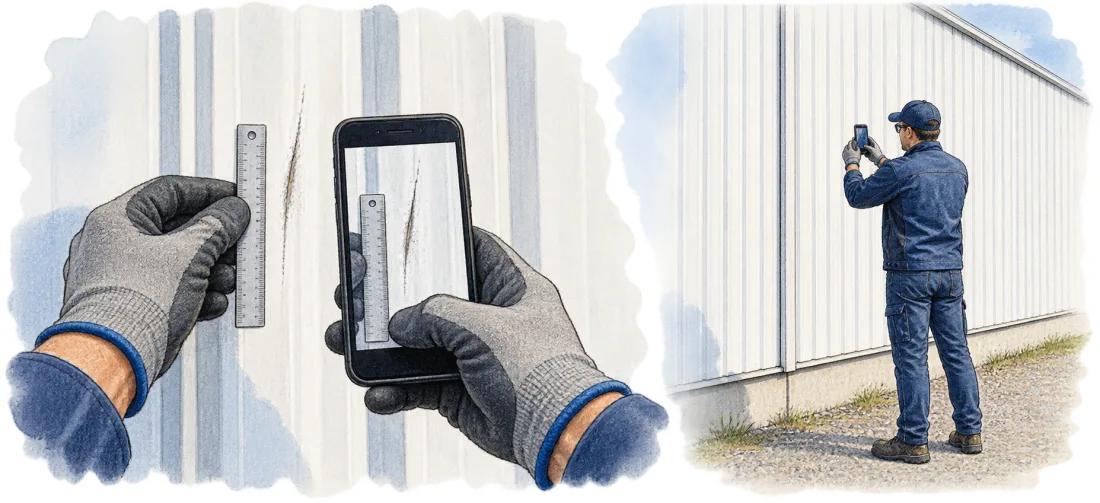
Take a close-up of the damage and a photo from further away. Give the town, country and a short description. You don’t need to guess the manufacturer, colour or coating type: if you don’t know them, just say so.
Tell us where the building is and what happened. We will tell you which photos or information to prepare.
Poland · Mateusz: +48 503 663 577Outside Poland · Maciej: +48 722 306 870Choose your contact by site location: for Poland, speak to Mateusz; outside Poland, speak to Maciej. Have the town, a short description of the damage and photos ready, and we will agree the next step.
Site in Poland
Panel Cure+ · contact in Poland
Talk to Mateusz about the location, the number of damaged areas and the planned repair scope. Send photos and information about access to the work area: they will help prepare your enquiry for assessment.
Prepare photos for assessment →Site outside Poland
Panel Cure+ · contact outside Poland
Talk to Maciej about the country, town and condition of the panel. Together you will establish which photos, technical data and access information are needed to assess the scope and feasibility.
Describe the site and the damage →You can also use the form. Give the town and country of the site and attach photos if you have them. We will confirm whether the repair is possible, travel and timing after assessing your enquiry.
Not every case is suitable for this kind of repair. The damage, the substrate and the working conditions need to be assessed. In some situations, replacing the element or a different scope of work should be considered.
The price depends on the number, size and type of damaged areas, the panel coating, the working height, travel and access to the repair area. For an initial assessment, prepare a close-up photo with a scale, a wider shot and the site location. Photos help define the scope; sometimes a site survey is needed. We agree the price and proposed method before work starts.
Photos help with initial screening. Choosing the method may require additional information about the panel, the manufacturer’s documentation or a site survey.
This cannot be promised for every panel. The result depends on factors including the coating, its condition and the extent of the damage. The repair conditions and any effect on the warranty must be established for the specific case.
Not always. The type and condition of the coating and colour changes caused by weathering in service also matter. Photos and manufacturer data help with the assessment, but final decisions may require a check on site. A difference in shade is possible.
The repair should follow the documentation for the specific product. There is no single recipe for all panels and coatings.
The instructions describe touch-up of damaged coating and repair of small dents. When refurbishing the surface, substrate preparation and checking the adhesion of the old paint are important.
Ruukki documentation ↗The instructions distinguish superficial scratches from damage reaching the substrate. They recommend keeping the touch-up area small (its shade may differ from the factory coating) and entrusting the work to specialists.
Kingspan instructions, p. 51 ↗Before the repair, we establish the requirements for the specific panel model and coating, and the effect of the work on the warranty. Citing these instructions does not mean that Panel Cure+ is authorised by the manufacturers.